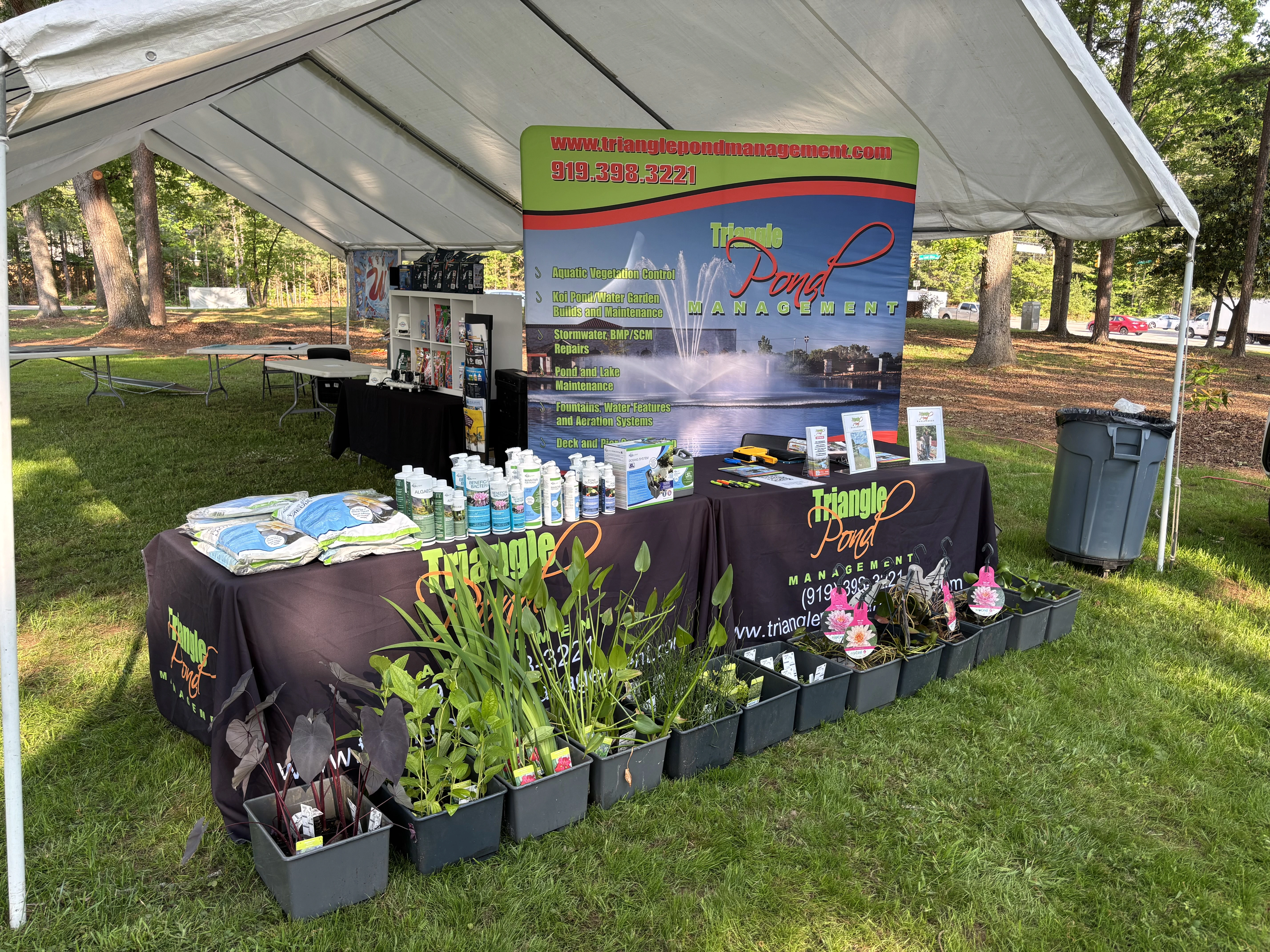

Are you a water garden or pond enthusiast? Join us for the ZNA Carolina Annual Koi Show, a must-visit event for anyone passionate about koi, ponds, and aquatic beauty! Triangle Pond Management is thrilled to be an exhibitor at this fantastic event, and we invite you to join us for two exciting days of inspiration, products, and community.
Duckweed (Lemna spp.) is one of the most common types of nuisance vegetation we encounter, especially during the warmer summer months. This small, fast-growing aquatic plant can quickly blanket the surface of a pond or lake if left untreated, leading to serious ecological imbalances and unsightly water conditions. One of the most common challenges pond owners face is mistaking duckweed for algae and using ineffective treatments—often with frustrating results.
Warmer temps are arriving in North Carolina, making now the perfect time to get your pond ready for the vibrant months ahead with Triangle Pond Management’s expert cleanout services. A thorough spring cleanout ensures your pond’s ecosystem wakes up from winter dormancy in the best possible shape, promoting a healthy and beautiful water feature throughout the season. By addressing key pond maintenance services and needs early, you’ll set the stage for a balanced environment that supports aquatic life and enhances your outdoor space.
At Triangle Pond Management, we’re excited to spotlight our Charlotte office, where we’re delivering the same exceptional lake and pond management services our clients enjoy across North Carolina. With a dedicated presence in Charlotte, we’re better equipped than ever to serve homeowners, businesses, and property managers in the area with our full suite of solutions—tailored to keep your water features thriving.
As spring temperatures climb and summer approaches, mosquito activity ramps up—especially around ponds and standing water. If you’re a pond owner searching for an effective, eco-friendly way to keep these pesky insects in check, look no further than Gambusia, commonly known as mosquitofish. This small but mighty fish could be the natural solution you’ve been waiting for.
Spring is just around the corner, and with it comes the perfect opportunity to breathe new life into your pond or lake. Here at Triangle Pond Management, we’re excited to announce that fish stocking season is in full swing! As of March 2025, North Carolina’s cooler temperatures create ideal conditions for stocking, making it easier to transport and acclimate fish from their original habitats to their new homes in your waterbody. If you’ve been thinking about enhancing your pond’s ecosystem, now is the time to act.
Join us this weekend at the Dixie Deer Classic, happening Friday, February 28th through Sunday, March 2nd at the NC State Fairgrounds! This annual event is one of our favorites, and it’s always a great time — not just for our team here at Triangle Pond Management, but for everyone who attends.
There’s so much to see and do, from hunting and outdoor exhibits to vendors, seminars, and family-friendly activities. Be sure to bring the kids and stop by our booth — they’ll love casting a line in our kids’ fishing tank! It’s a perfect way to introduce them to the joys of fishing while you learn more about the services we offer.
We’re all set up and ready for an exciting weekend, and we can’t wait to see you there!
It may be cold outside, and with snow in the forecast this week for North Carolina, outdoor entertaining might feel far away. But now is actually the perfect time to start thinking about scheduling your water feature maintenance. We provide water feature maintenance throughout North Carolina, including the greater Raleigh, Greensboro and Charlotte areas. Once warmer weather arrives, your pond, fountain, or waterfall should be clean, clear, and running smoothly—ready for all your outdoor gatherings.
As winter transitions to early spring, February is the ideal time to give your pond the care it needs to thrive throughout the year. One of the most crucial steps in pond management in North Carolina is liming, as many of our ponds are naturally acidic. By adjusting the pH balance, you create a healthier ecosystem for fish, aquatic plants, and beneficial microorganisms.
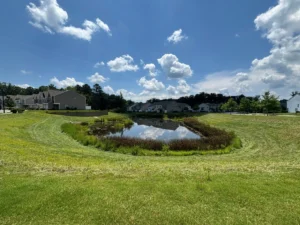
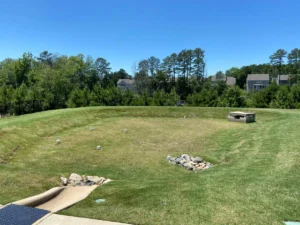
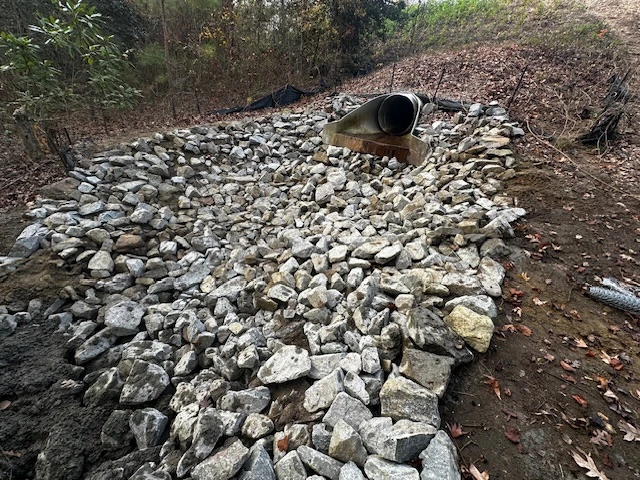
Stormwater control measures (SCMs) remain a vital part of protecting our communities from water-related issues. In Charlotte, Raleigh, and across the state, these systems are carefully engineered with precise calculations, grading, and components to manage runoff unique to each location. To ensure these systems operate effectively and meet regulatory standards, two essential services are often required: routine maintenance and annual inspections. While they share a common goal, they serve distinct purposes.
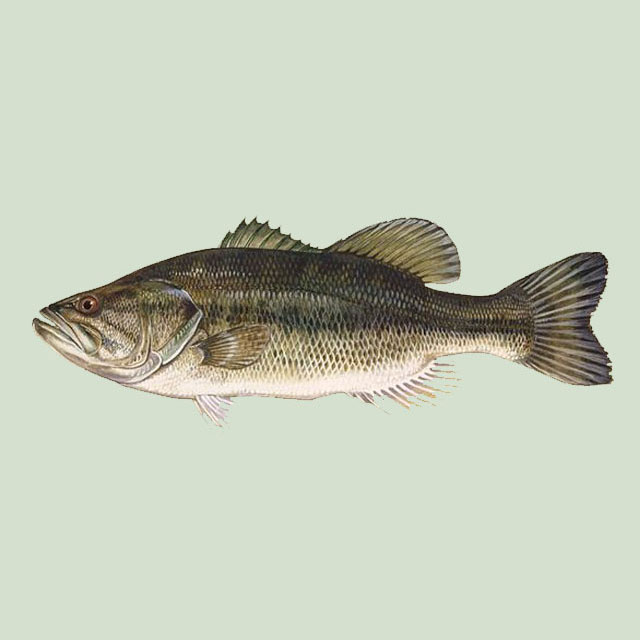
LARGEMOUTH BASS Micropterus salmoides
Largemouth Bass, the top predatory gamefish in lakes and ponds in our area, is critical in many lakes and ponds to maintain a proper ecosystem. They are considered to be fast-growing fish growing up to 1.5 pounds each year and are an excellent catch on rod or reel earning them a gamefish classification.
This will close in 90 seconds
Channel Catfish
Demo Description
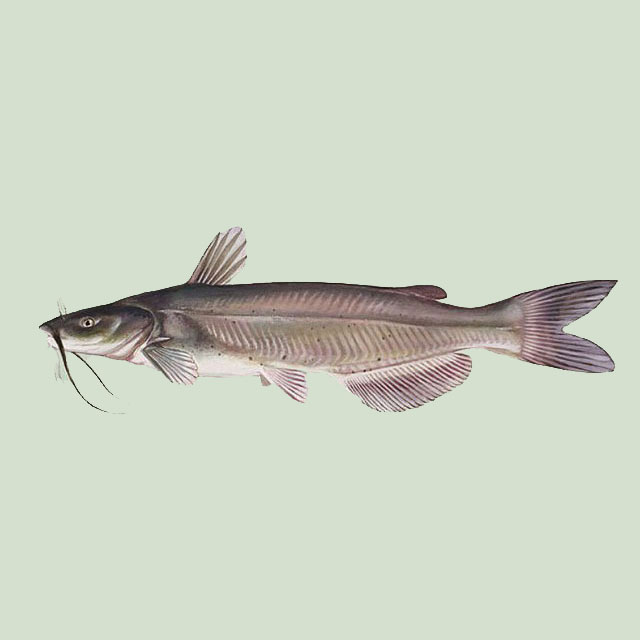
CHANNEL CATFISH Ictalurus punctatus
Channel Catfish is North America’s most numerous catfish species. They are often used to increase the general productivity of a pond without competing with the other fish. They can be stocked anytime but do not usually reproduce in ponds unless spawning containers are provided. Channel catfish grow quickly, are fun to catch, and are delicious to eat. They are an excellent choice for smaller ponds.
This will close in 90 seconds
Mosquitofish
Demo Description
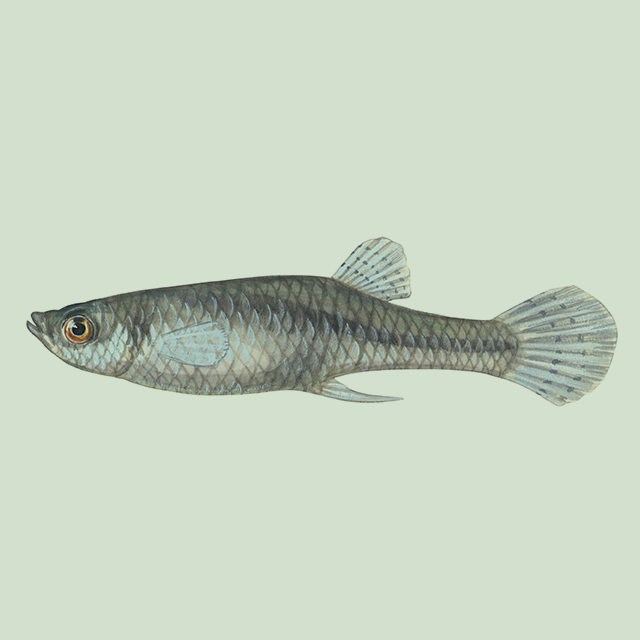
MOSQUITOFISH
Gambusia Affinis
The western mosquitofish (Gambusia affinis) is a freshwater fish native to North America and a member of the poeciliid family. It is commonly known as the mosquitofish, Gambusia, or gambezi, though these names can also refer to its sister species, the eastern mosquitofish (Gambusia holbrooki).
This will close in 90 seconds
Bluegill
Demo Description
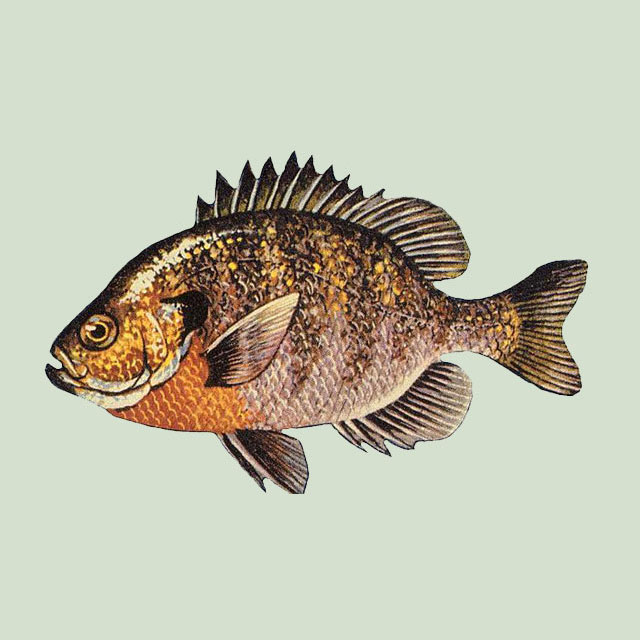
BLUEGILL Lepomis macrochirus
Bluegill, also known as “brim”, “sunfish” and “sunny” in NC, is an omnivorous fish with blue and purple on its face, olive-colored bands down the side, and orange to yellow belly. They can mature up to 12 inches long and weigh as much as 4-1/2 pounds making them an excellent source of prey for largemouth bass. As an added bonus, bluegill is fun to catch and delicious to eat. We generally recommend stocking ponds with Bluegill for “catch and release” largemouth bass fishing.
This will close in 90 seconds
Shellcracker
Demo Description
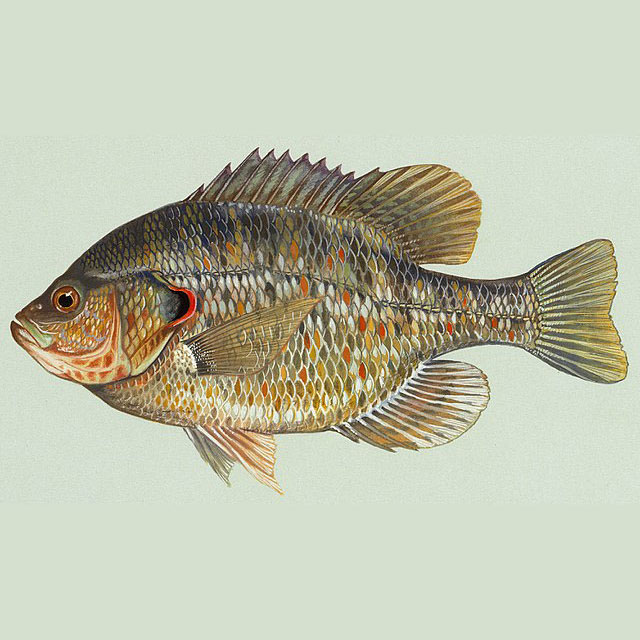
SHELLCRACKER/REDEAR SUNFISH Lepomis microlophus
The Shellcracker, otherwise known as the Redear Sunfish is a popular sport fish known for its diet of mollusks and snails (hence the name “shellcracker”). It resembles bluegill except in its coloration and slightly larger size. Like bluegill, they are fun to catch and delicious to eat. You will typically find Shellcracker fish near logs and vegetation; they tend to congregate in groups around these features. Generally maturing to 8-10 inches long and 1 pound, they can grow up to 17 inches.
This will close in 90 seconds
Fathead Minnows
Demo Description
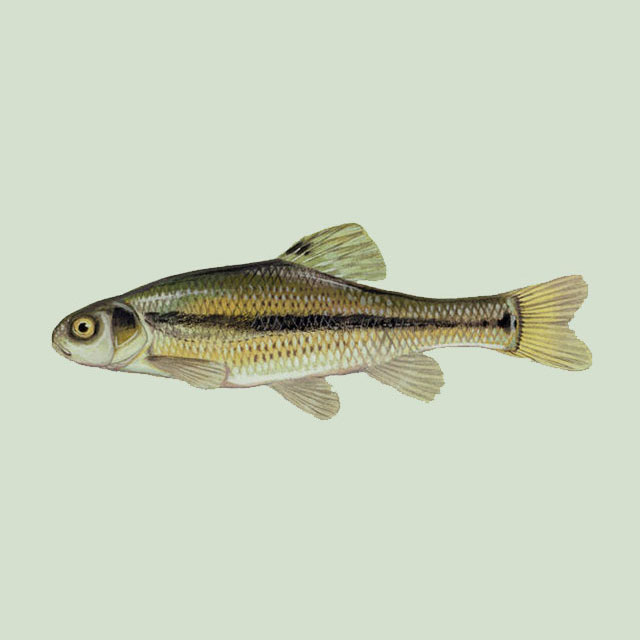
FATHEAD MINNOWS Pimephales promelas/Gambusia
Fathead minnows are small, dull olive-grey baitfish. They have a dusky stripe extending along the back and side, and a lighter belly. Commonly used as bait for small predator fish, fathead minnows should be stocked with hybrid bluegill to provide bass with sufficient forage.
This will close in 90 seconds
Sterile Grass Carp
Demo Description
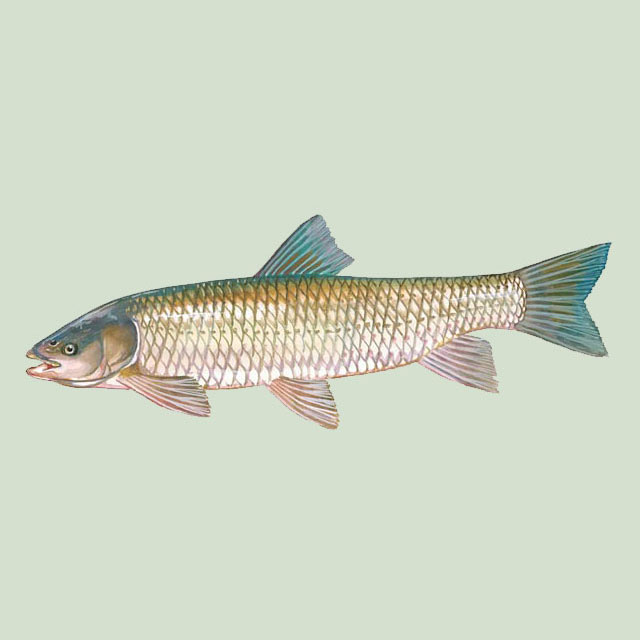
STERILE GRASS CARP Ctenopharyngodon idella
Sterile grass carp is a large herbivorous freshwater fish most often used to help control aquatic vegetation. Consuming up to triple their body weight in vegetation each day, they grow up to five pounds per year. They are known to be a relatively inexpensive long-term solution for aquatic weed control, but it’s important to stock your pond with only sterile grass carp over 8″ long when large bass is present in the pond.
This will close in 90 seconds
Crayfish
Demo Description
CRAYFISH Orconectes P. carolinensis
Crayfish are typically stocked as supplemental forage for bass populations. With a front pair of strong pinching claws, a hard shell (exoskeleton) covering their body, and a broad tail, they look like miniature lobsters. Crayfish thrive in clean water. In fact, a healthy number of crayfish in a pond is known to be a sign of good ecology.