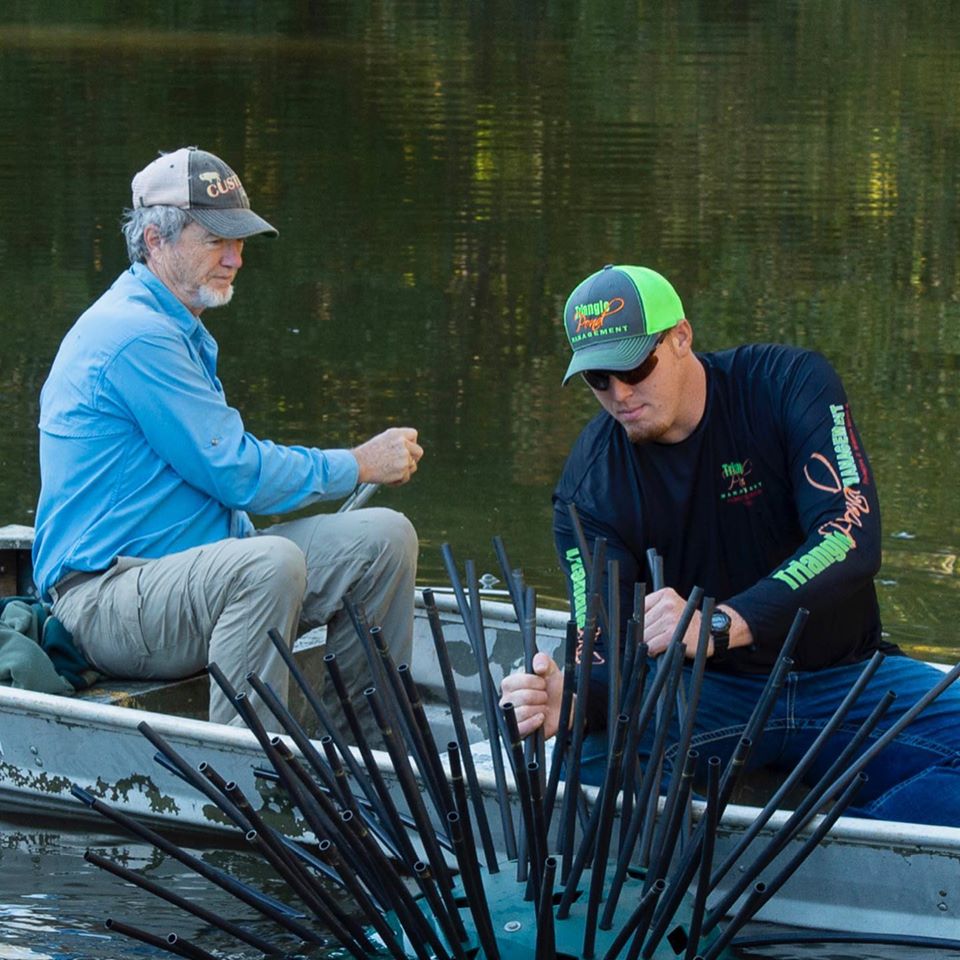
Triangle Pond Management will be hosting a Kid’s Fishing Rodeo at the 2019 Dixie Deer Classic. We will be setting up a pond stocked with catfish, bluegill and bass for kids to catch all weekend long. All children participating in the Kid’s Fishing Rodeo will receive a prize.
Come see Triangle Pond Management at our booth at the Southern Farm Show Wednesday, January 30th through Friday, February 1st from 9:00 am to 4:00 pm each day. The show is located at the NC State Fairgrounds and admission is free. The show exhibits a variety of agriculture and land management services. Bring the family and come talk to us about our wildlife management services, fisheries management, fish stocking, and general pond management/stormwater services.
This winter is a great time to add lime to your lake or pond. Water in ponds reflects the quality of the soils in which they are located. Most ponds in the southeast region have low levels of total alkalinity, total hardness, and low pH values. Having poor water quality in a fish pond means the overall fish production is slowed. Liming is an important method for correcting many of these water quality issues, as well as helping to improve fish productivity.
With the deer season in North Carolina coming to a close, and spring around the corner, prudent hunters and landowners are reflecting on their season and how to improve their deer hunting success in the following year. Whether the goal is larger antlers or a healthier overall herd, mineral supplementation through the winter months into the spring can have a positive effect on your deer.
Triangle Pond Management carries Trophy Rock all natural mineral licks. These products contain the trace minerals needed by bucks growing new antlers. Does producing fawns will also benefit from mineral supplementation for gestation and lactation. Contact Triangle Pond Management today for your mineral supplement needs.
Triangle Pond Management Wildlife Services recently released live mallards in in a duck impoundment they are managing. Live birds in a newly established food source help attract and hold wild birds to your property. At Triangle Pond, we specialize in aquatic plantings that complement waterfowl. We include perennial aquatic plants in our management plans because they reestablish year after year, and if maintained properly, can be very cost effective (rather than planting year after year EX: corn). If you or anyone you know is interested in learning more about our waterfowl management services including construction and management, contact us today for more information.
Deer season is over, and most hunters put away their rifle to chase waterfowl or look forward to the spring turkey season. Even though it’s winter, there are still many opportunities for Triangle Pond Management’s Wildlife Management Division to help you make improvements on your property for better deer hunting next fall. Want a shooting lane cleared, a path cut in, or a food plot installed in an overgrown area? With deer season over, winter is a great time for our Forestry Mulching equipment to go to work for you to achieve your goals.
Maintaining a healthy fish population is one objective that most pond owners have in common. A great way to strengthen your forage base and create a balanced fish population is through supplemental feeding. Including an automatic fish feeder into your pond management approach will provide a secondary food source to grow your forage fish and will increase their survival and reproduction success. As bait productivity improves and a self-sustaining forage base is established, the pond’s fish population will become more balanced and the entire ecosystem will benefit.
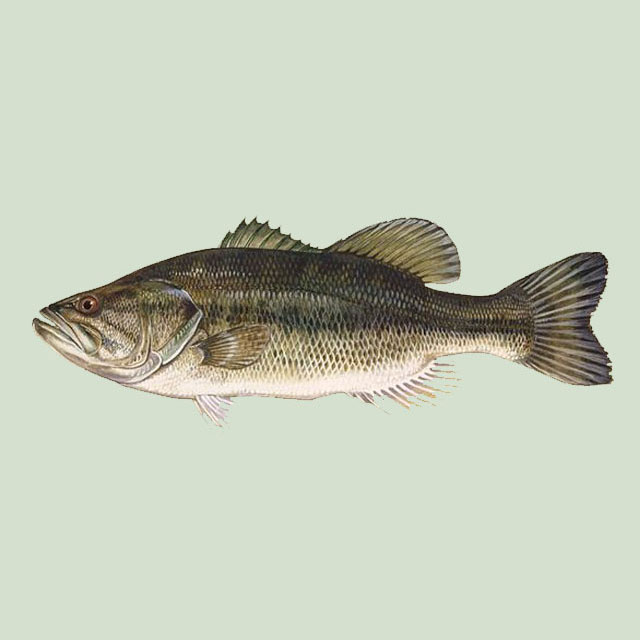
LARGEMOUTH BASS Micropterus salmoides
Largemouth Bass, the top predatory gamefish in lakes and ponds in our area, is critical in many lakes and ponds to maintain a proper ecosystem. They are considered to be fast-growing fish growing up to 1.5 pounds each year and are an excellent catch on rod or reel earning them a gamefish classification.
This will close in 90 seconds
Channel Catfish
Demo Description
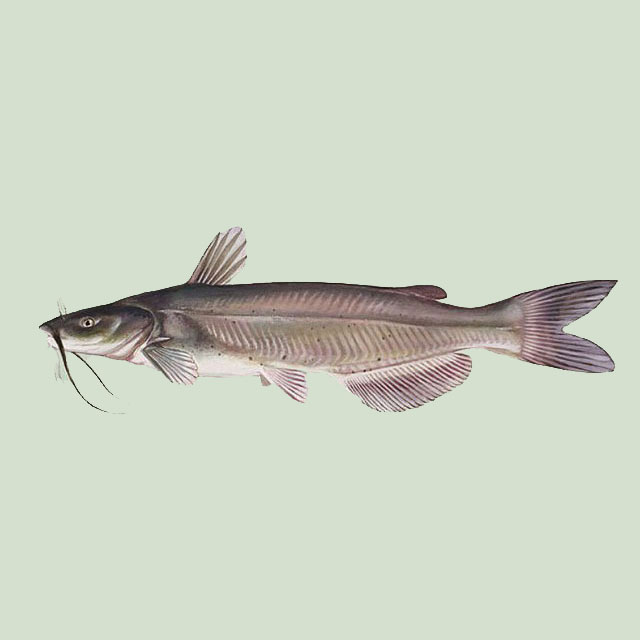
CHANNEL CATFISH Ictalurus punctatus
Channel Catfish is North America’s most numerous catfish species. They are often used to increase the general productivity of a pond without competing with the other fish. They can be stocked anytime but do not usually reproduce in ponds unless spawning containers are provided. Channel catfish grow quickly, are fun to catch, and are delicious to eat. They are an excellent choice for smaller ponds.
This will close in 90 seconds
Mosquitofish
Demo Description
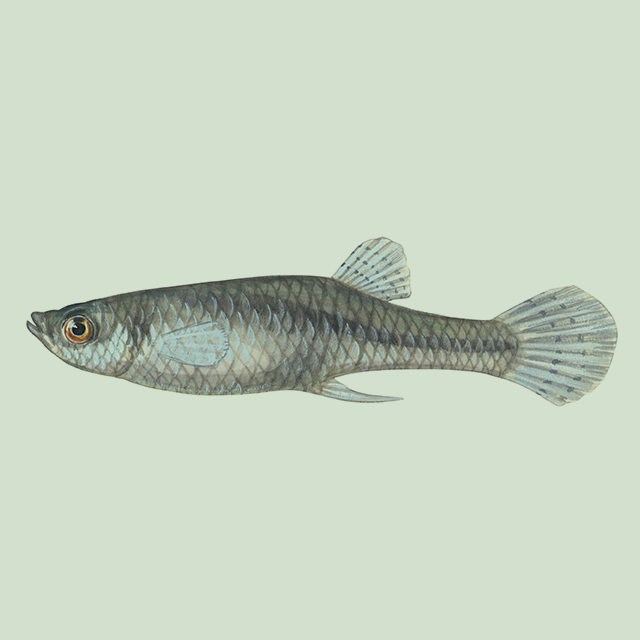
MOSQUITOFISH
Gambusia Affinis
The western mosquitofish (Gambusia affinis) is a freshwater fish native to North America and a member of the poeciliid family. It is commonly known as the mosquitofish, Gambusia, or gambezi, though these names can also refer to its sister species, the eastern mosquitofish (Gambusia holbrooki).
This will close in 90 seconds
Bluegill
Demo Description
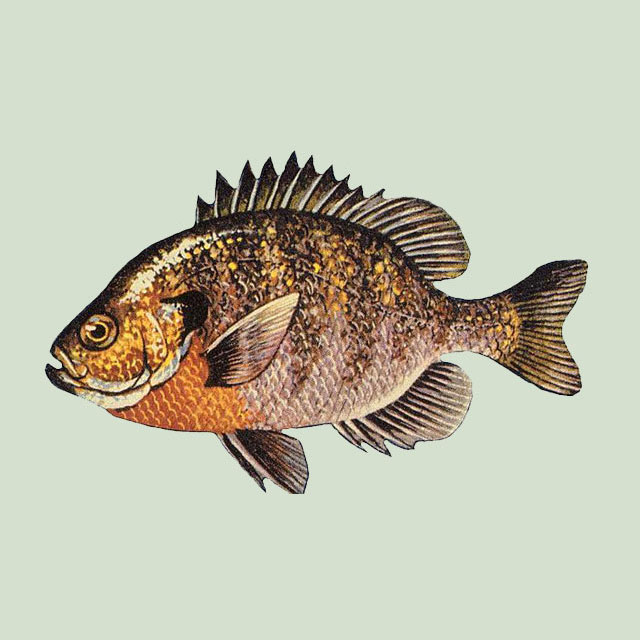
BLUEGILL Lepomis macrochirus
Bluegill, also known as “brim”, “sunfish” and “sunny” in NC, is an omnivorous fish with blue and purple on its face, olive-colored bands down the side, and orange to yellow belly. They can mature up to 12 inches long and weigh as much as 4-1/2 pounds making them an excellent source of prey for largemouth bass. As an added bonus, bluegill is fun to catch and delicious to eat. We generally recommend stocking ponds with Bluegill for “catch and release” largemouth bass fishing.
This will close in 90 seconds
Shellcracker
Demo Description
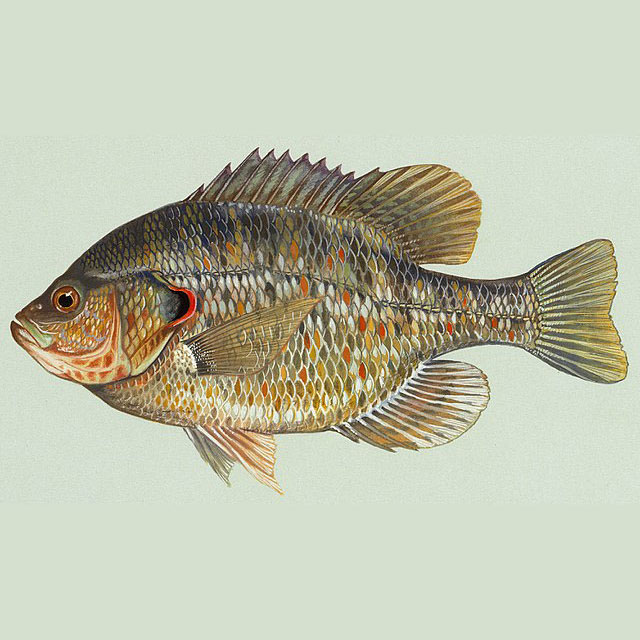
SHELLCRACKER/REDEAR SUNFISH Lepomis microlophus
The Shellcracker, otherwise known as the Redear Sunfish is a popular sport fish known for its diet of mollusks and snails (hence the name “shellcracker”). It resembles bluegill except in its coloration and slightly larger size. Like bluegill, they are fun to catch and delicious to eat. You will typically find Shellcracker fish near logs and vegetation; they tend to congregate in groups around these features. Generally maturing to 8-10 inches long and 1 pound, they can grow up to 17 inches.
This will close in 90 seconds
Fathead Minnows
Demo Description
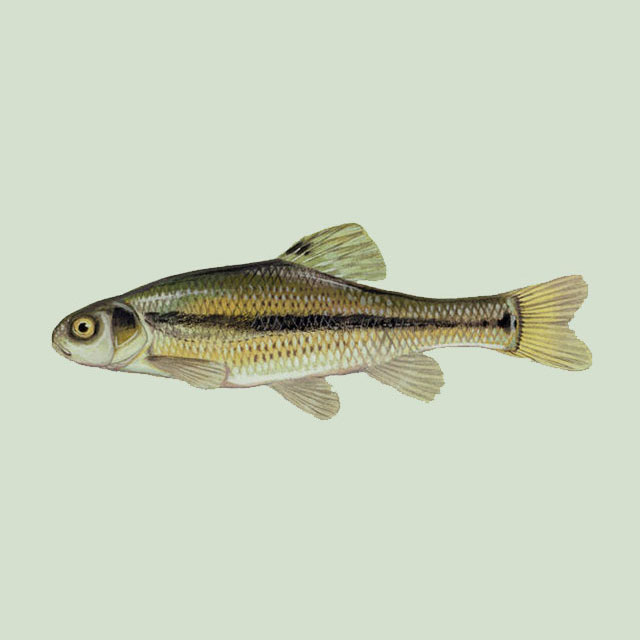
FATHEAD MINNOWS Pimephales promelas/Gambusia
Fathead minnows are small, dull olive-grey baitfish. They have a dusky stripe extending along the back and side, and a lighter belly. Commonly used as bait for small predator fish, fathead minnows should be stocked with hybrid bluegill to provide bass with sufficient forage.
This will close in 90 seconds
Sterile Grass Carp
Demo Description
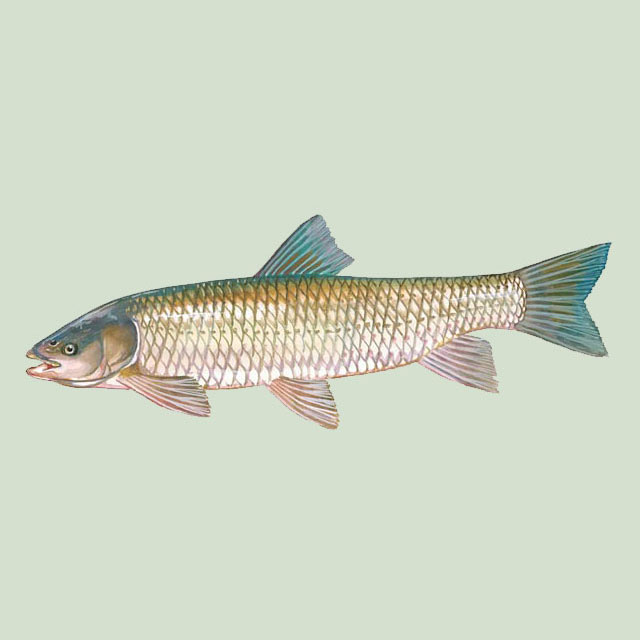
STERILE GRASS CARP Ctenopharyngodon idella
Sterile grass carp is a large herbivorous freshwater fish most often used to help control aquatic vegetation. Consuming up to triple their body weight in vegetation each day, they grow up to five pounds per year. They are known to be a relatively inexpensive long-term solution for aquatic weed control, but it’s important to stock your pond with only sterile grass carp over 8″ long when large bass is present in the pond.
This will close in 90 seconds
Crayfish
Demo Description
CRAYFISH Orconectes P. carolinensis
Crayfish are typically stocked as supplemental forage for bass populations. With a front pair of strong pinching claws, a hard shell (exoskeleton) covering their body, and a broad tail, they look like miniature lobsters. Crayfish thrive in clean water. In fact, a healthy number of crayfish in a pond is known to be a sign of good ecology.