How to Prepare Water Gardens & Koi Ponds for Winter
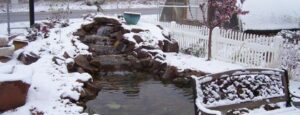 As temperatures begin to fall, your water garden faces a whole new set of seasonal challenges. If you have a koi pond or water garden, preparing for winter is essential. Cold weather can freeze equipment, stress fish, and create long-term water quality issues—but with the right steps, you can protect your investment and keep your ecosystem thriving all the way through spring.
Why Winterization Matters
When winter settles in, ponds face threats like ice expansion that can crack liners and pipes, freezing water that damages pumps and plumbing lines, reduced oxygen levels that can stress or kill fish, and organic debris buildup that leads to murky, unhealthy water once temperatures rise again. A solid winterization routine helps prevent costly repairs and sets your pond up for a clean, healthy start in the spring.
Winterizing Koi Ponds & Water Gardens
Give the Pond a Thorough Clean
Once temperatures dip toward 50°F, it’s the perfect time to give your pond a seasonal cleanup. Removing leaves, dead plants, and accumulated sludge keeps ammonia levels from spiking once ice forms. Trim back hardy plants to just above the waterline and remove any tropical plants that won’t survive the cold. A quick surface skim with a net or skimmer helps keep things tidy and ensures your pond heads into winter as clean as possible.
Adjust Feeding as Water Temperatures Drop
Your koi’s digestive systems slow dramatically in cold water, so shifting their diet is essential. When water temperatures fall:
- Below 55°F, stop feeding high-protein foods.
- Between 50–55°F switch to a wheat-germ formula.
- Below 45°F, stop feeding entirely—your koi can’t properly digest food at that point, and feeding too late in the season can lead to dangerous internal complications.
Keep a Small Opening in the Ice
Even in the coldest months, your pond should never freeze over completely. Fish need an opening in the ice for proper gas exchange. A small hole can be maintained with a floating de-icer, a shallow-water aerator, a pond heater, or an air bubbler. Avoid breaking the ice manually—sudden shockwaves can injure or kill fish.
Protect the Pond Pump
How you handle your pump depends largely on your pond’s depth. If your pond is at least 24–30 inches deep, you may be able to run the pump all winter. Keeping it on helps reduce ice formation, improves oxygen levels, and maintains an opening for gas exchange. Just make sure to raise the pump 12–18 inches off the bottom so you don’t disturb the warm water layer your fish rely on during winter.
For shallow ponds under 24 inches, it’s best to shut the pump down for the season. Disconnect it, drain the plumbing lines, and clean the housing and impeller. Store the pump indoors in a bucket of water to keep the seals from drying out over winter.
For expert help preparing your pond for the cold season, Triangle Pond Management is here to handle every step of your winterization with care and professionalism—just contact us to get started.