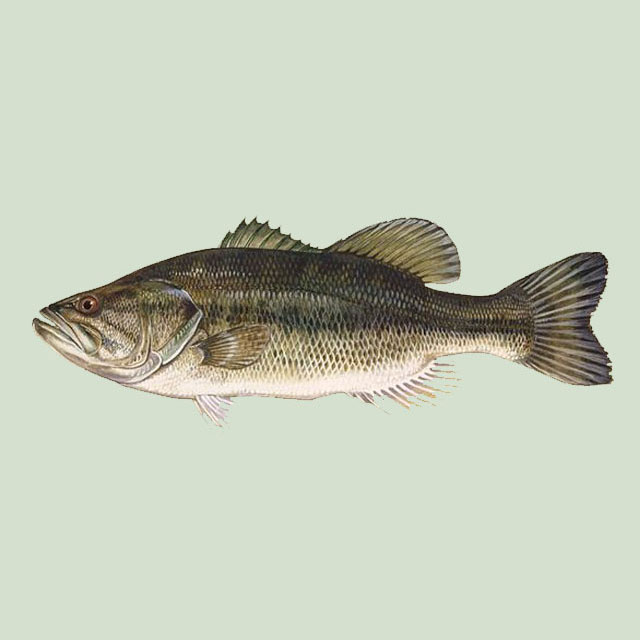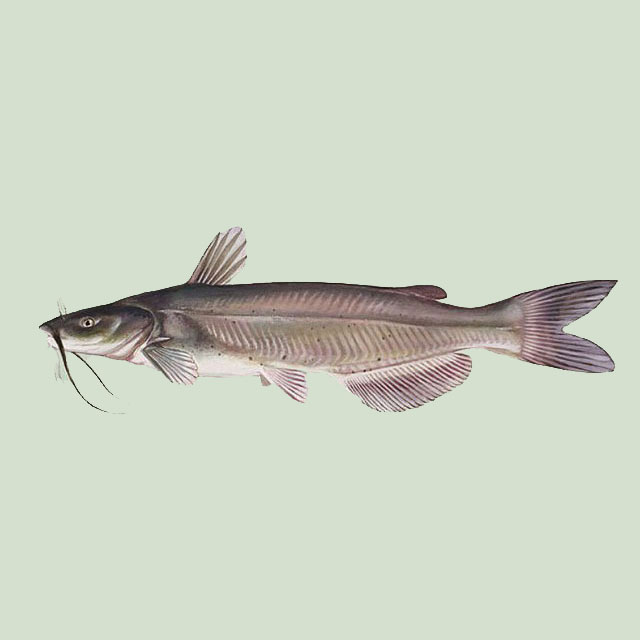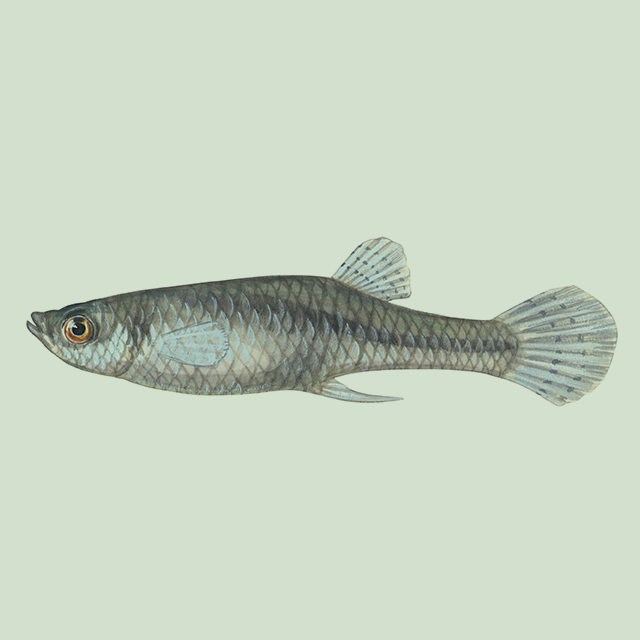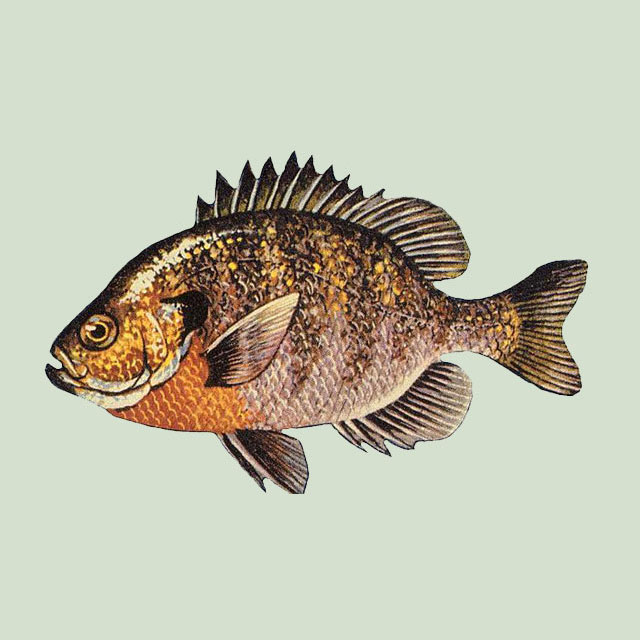
Hot summer weather can be especially stressful for lakes and ponds in North Carolina. As water temperatures rise, oxygen levels can drop, algae can become more active, and fish may struggle to find suitable habitat. Lakebed aeration can help improve these conditions by circulating the water and increasing oxygen throughout the pond or lake.
A lakebed aeration system uses a compressor to send air through diffusers placed on the bottom of the lake or pond. The rising bubbles lift deeper water toward the surface, where it can absorb oxygen from the atmosphere. This circulation helps reduce stagnant areas and creates more consistent oxygen levels from top to bottom.

Improved oxygen levels support fish, beneficial bacteria, and other aquatic organisms. Beneficial bacteria rely on oxygen to break down organic material such as leaves, algae, fish waste, and other debris that collects on the bottom. Over time, this may help slow muck buildup and reduce the nutrients that contribute to excessive algae growth.
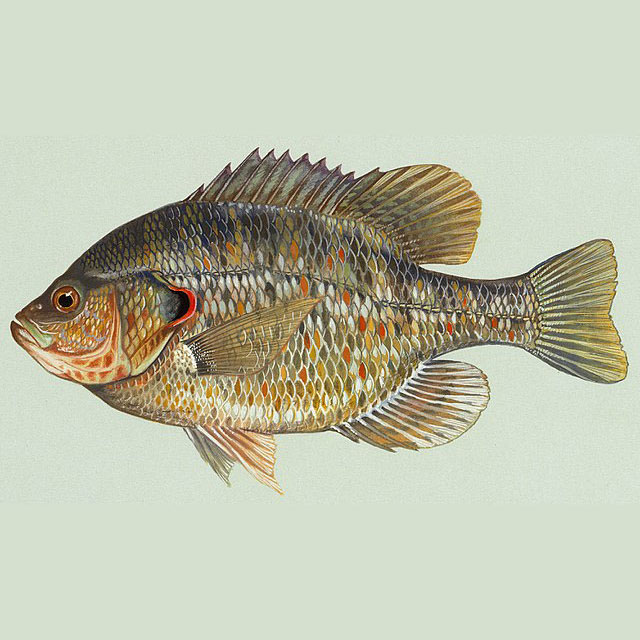
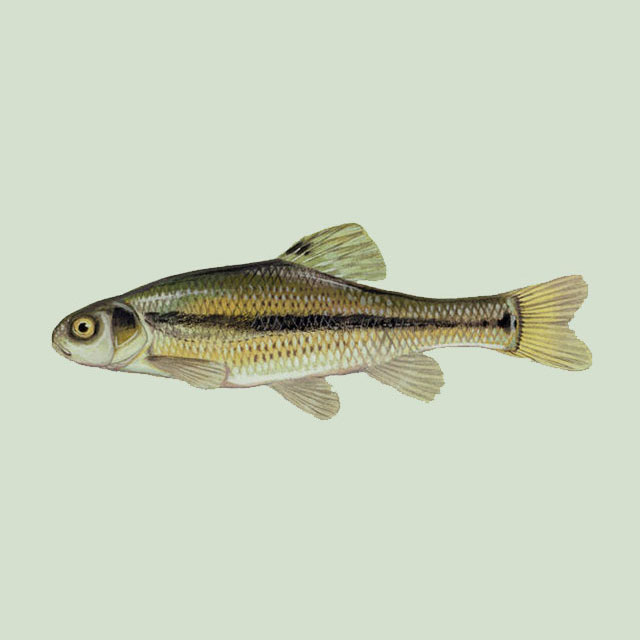
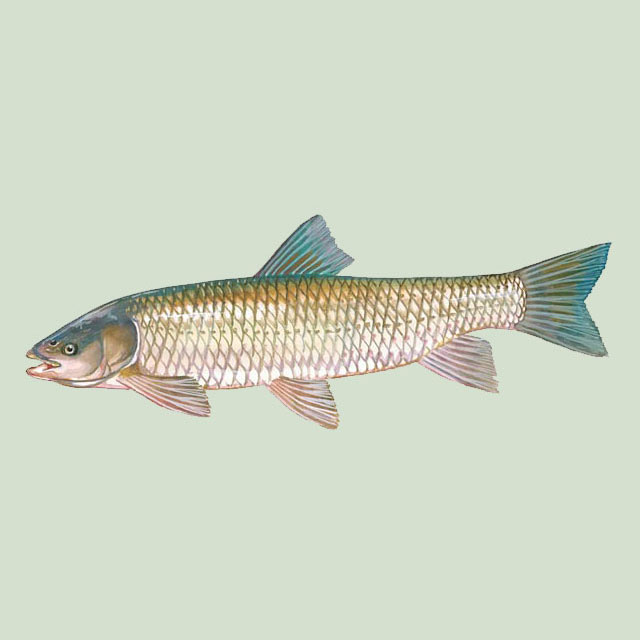
Aeration can also reduce the risk of summer fish kills. During extended periods of heat, deep water can become depleted of oxygen. A sudden storm or temperature change may cause the water column to mix quickly, leaving fish with too little oxygen. Properly designed aeration keeps water circulating and helps prevent these dangerous oxygen imbalances.
While aeration is not a cure for every lake or pond problem, it is an important part of a long-term management program. When combined with proper nutrient management, aquatic plant control, and routine monitoring, lakebed aeration can help maintain healthier, more attractive water throughout North Carolina’s hottest months.
If you are having issues related to poor aeration in your lake or pond, please contact Triangle Pond Management today for a consultation. We have experienced lake and pond managers who are happy to provide solutions to whatever problems you are experiencing with your lake or pond.